
K-pop Agencies Stay Cautious After Korea-China Trade Deal Revives Hopes of Easing Beijing's Curbs on Korean Content
South Korea and China announced on Nov. 18 that they had substantially concluded FTA follow-up talks on services and investment, covering films, games and co-productions, but K-pop concerts were not explicitly included, leaving agencies wary.
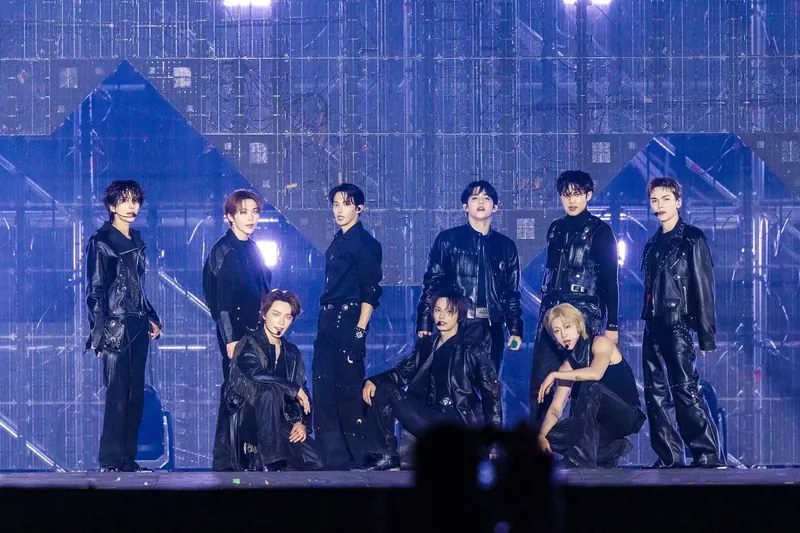
The door to China may be opening, but K-pop isn't rushing through it. South Korean President Lee Jae Myung and Chinese President Xi Jinping announced in Shenzhen on Nov. 18 that the two countries had substantially concluded negotiations on services and investment under their free trade agreement, Yonhap and The Korea Herald reported. The Korea Herald said SM Entertainment and HYBE shares closed up 14.3 percent and 7.6 percent, respectively, that day.
According to Yonhap, China will grant Korea most-favored-nation treatment in film and gaming and apply non-discrimination principles when screening Korean online games and films. The deal also expands official co-productions beyond film to dramas, animation, variety shows and documentaries; Korean content made with Chinese partners would count as Chinese content and be exempt from import quotas.
K-pop concerts, however, were not explicitly covered. Industry officials told The Korea Herald they expect restrictions to ease in other sectors first, with agencies likely waiting for Beijing to approve a major K-pop concert before committing to full-group shows. "Those members will probably do more of what they've been doing there first, and from there it could expand to concerts and other live performances," an official at a major agency said of groups with Chinese members. The Korea Herald pointed to SEVENTEEN's Jun and The8, who have released solo music and appeared on local programs, and NCT DREAM's Renjun and Chenle, who launched a five-city fan meeting tour in Hangzhou in July. China has informally restricted Korean entertainment since 2016, after Seoul's decision to deploy the U.S. THAAD missile defense system.
Confirmed
- South Korea and China announced on Nov. 18, at a summit in Shenzhen, that they had reached a substantive conclusion of negotiations on services and investment under their free trade agreement (Yonhap, The Korea Herald).
- Under the deal, China will grant South Korea most-favored-nation treatment in film and gaming and apply non-discrimination principles in screening online games and films, and official co-production arrangements expand beyond film to dramas, animation, variety shows and documentaries (Yonhap).
Reported by other outlets
- The Korea Herald reported that SM Entertainment and HYBE shares closed up 14.3 percent and 7.6 percent, respectively, on Nov. 18 after the announcement.
- Yonhap and The Korea Herald reported that K-pop concerts were not specifically covered, and industry officials expect any easing to reach other sectors first; an official at a major K-pop agency told The Korea Herald that members of groups with Chinese members "will probably do more of what they've been doing there first, and from there it could expand to concerts and other live performances."
Analysis
2FC NEWSROOM analysis: The deal's concrete commitments cover films, games and co-produced broadcast content. For K-pop, the signal to watch is whether Chinese authorities approve a large-scale concert by a major Korean act; until then, both outlets' sources describe the outlook as gradual at best.